What does Japan teach us about co-creation? Architect Hanneke Stenfert traveled the country in February and March to find answers to this question. She visited projects and spoke to architects, urban planners, researchers, entrepreneurs and other initiators working to improve the living environment for and with residents.
Japan’s rapidly aging and shrinking population make the direct involvement of residents in their living environment increasingly urgent. Suburban and rural areas in particular are suffering from the effects of shrinkage. Large amounts of homes and other buildings are vacant, neighborhoods and communities are under pressure. Both residents and property owners are being challenged to be creative to preserve the livability of these places.
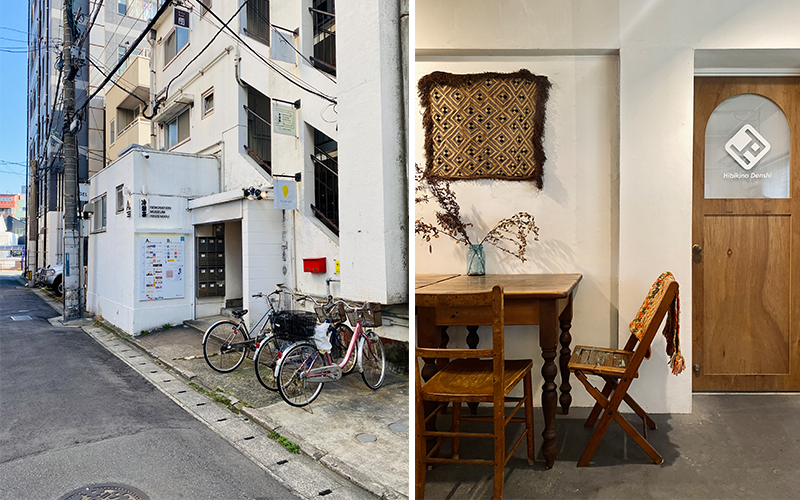
For example, Hanneke visited building owner Yoshihara in Fukuoka. Vacancy in his apartment and commercial buildings stimulated him to create different conditions for his tenants. Where Japanese tenants are usually not yet allowed to put a nail in the wall, Yoshihara invited people to DIY their dream home or workplace. He supported the handymen by housing a materials store on the first floor and making handyman advice available. This freedom attracted creative residents and entrepreneurs, who got to know each other well while doing odd jobs. The sense of community that emerged spread like wildfire. The initially unattractive buildings are now sought-after places in the city.
Hanneke visited Japan as part of her research into co-creation in different countries. She previously visited Chili. The research is made possible with the Marina van Damme grant, which Hanneke won in Delft in 2019.